Families in Palm Beach County have hundreds of assisted living options, from large communities with a hundred or more apartments to small residential homes licensed for six residents or fewer. Online directories rank them by who pays for placement, not by the quality of care. This guide explains how to compare them yourself, what Florida law requires, which questions to ask on a tour, and the warning signs that should make you keep looking.
The short answer
The best assisted living home is the one that matches your loved one's actual care needs, is licensed and inspected by the Florida Agency for Health Care Administration (AHCA), has enough caregivers on every shift, is overseen by someone with real clinical training, and is honest about its full monthly cost. For many people, especially those living with dementia, a small residential home meets those needs better than a large facility, because the setting is quieter, the staff is consistent, and problems are noticed sooner.
Step 1: Start with your loved one's care needs
Before you tour anywhere, write down what help your loved one needs today and what they are likely to need in a year. This list will tell you which homes can really serve them.
- Daily activities: bathing, dressing, toileting, getting in and out of bed or a chair, eating.
- Medications: how many, how often, and whether any are injections or need close monitoring.
- Memory: forgetfulness, confusion, wandering or exit-seeking, sundowning, or changes in behavior.
- Medical conditions: diabetes, heart failure, Parkinson's, recent falls, a recent hospital stay or surgery.
- Social life: does your loved one do better with a lot of activity, or in a calm and familiar setting?
Bring this list to every tour and ask each home to explain, specifically, how they would handle each item.
Step 2: Decide between a small residential home and a large facility
Florida licenses both kinds of setting as assisted living facilities, but daily life in each is very different.
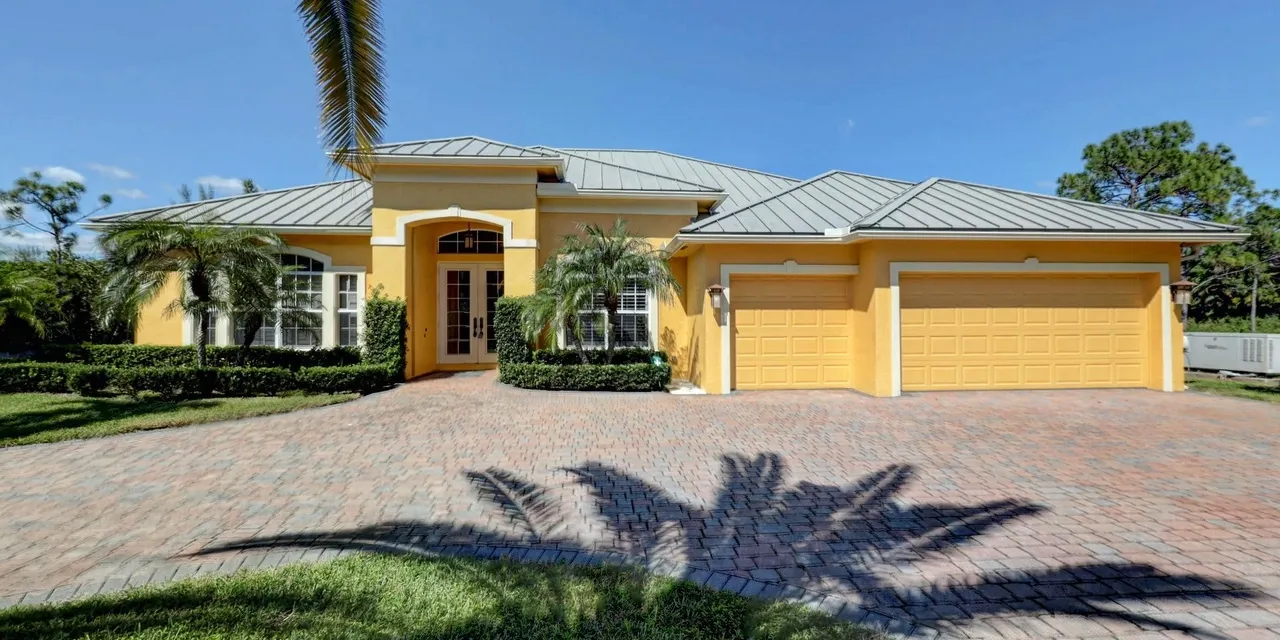
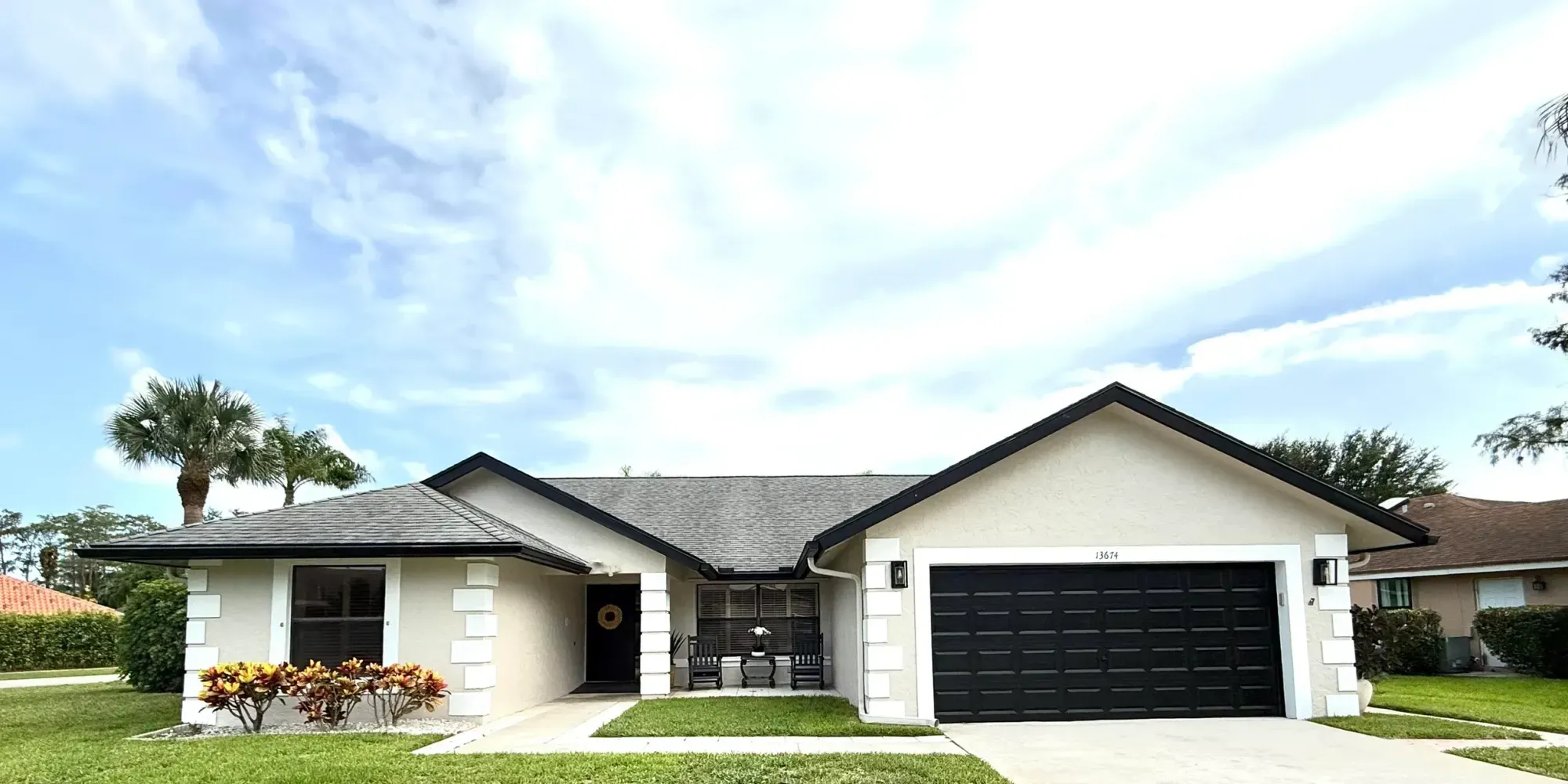
A small residential home is a real house in a neighborhood, usually licensed for six residents or fewer. Meals are cooked in the kitchen and served at one table, the same few caregivers are there every day, and the person in charge often knows every resident personally. It tends to suit people with dementia, people who are easily overwhelmed, and people who need more hands-on help.
A large facility has apartments, a dining room, a full activity calendar, and amenities such as a salon or fitness room. It can suit people who are mostly independent and want a busy social life. Care is usually priced separately from rent, and staffing is spread across many residents.
Neither model is right for everyone. The question is which one fits the person you are caring for. You can read more in our article on why people with Alzheimer's often do better in a small residential home.
Step 3: Check the license and inspection history
Every assisted living facility in Florida must be licensed by AHCA under Chapter 429, Florida Statutes. Before you visit, look the home up on FloridaHealthFinder.gov, the state's official facility search. There you can confirm:
- The license number, licensed capacity and owner.
- Any specialty licenses, such as Limited Nursing Services or Extended Congregate Care.
- Recent inspection reports and any citations, with the date each problem was corrected.
A citation is not automatically a reason to rule out a home, but the pattern matters. Repeated problems with medications, staffing or resident safety are serious. Florida also requires a home that advertises Alzheimer's or dementia care to meet extra staff training standards under section 429.178, Florida Statutes, so ask whether the home meets them.
Every Amazing Grace home lists its AHCA license number on our locations page.
Step 4: Ask about staffing on every shift
Staffing is the single biggest difference between homes, and it is the hardest thing to judge on a tour. Ask direct questions and ask for numbers:
- How many residents does each caregiver look after during the day? In the evening? Overnight?
- Is there a caregiver awake in the building all night?
- How long have your current caregivers worked here?
- Who is in charge when the administrator is not on site?
- Have all caregivers passed Florida's Level 2 background screening?
At a small home, ask who covers when a caregiver is sick. At a large facility, ask how many residents share one aide on the memory care floor.
Step 5: Find out who oversees the care
Many assisted living facilities are run by an administrator with a business background, and nursing support may be part-time or on call. Ask who reviews medication changes, who notices when a resident is declining, and who talks to the doctors. A home overseen by a registered nurse can often catch small changes, such as a new cough, a change in appetite or a subtle fall risk, before they turn into a trip to the emergency room.
Step 6: Compare the full monthly cost
In 2026, assisted living in the Palm Beach area commonly starts around $4,500 to $6,500 a month at larger facilities, and memory care costs more. The advertised starting rate is rarely the final bill. Many communities use levels of care or a point system that adds charges as needs grow. When you compare homes, ask:
- What exactly is included in the monthly rate?
- What costs extra: medication management, incontinence care, help with bathing, escorts to appointments?
- How and when does the rate change if needs increase?
- How much notice do you give before a rate increase?
Our 2026 guide to assisted living costs in West Palm Beach explains how point systems work and what to watch for.
Step 7: Visit more than once
Tour at least two or three homes, and visit your favorite again at a different time of day, such as at a mealtime or in the late afternoon. Pay attention to:
- Whether the home is clean and smells fresh, including bathrooms and bedrooms.
- How caregivers speak to residents, and whether residents look well cared for.
- Whether residents are engaged or sitting alone in front of a television.
- How the staff answers hard questions. Clear, specific answers are a good sign.
Red flags to watch for
- The home cannot tell you its staffing ratio or will not put prices in writing.
- You are pressured to sign or pay a deposit the same day.
- Recent inspection reports show repeated problems that were not fixed.
- Caregivers change constantly, or no one can tell you who is in charge.
- The home is vague about what happens when care needs increase.
Questions to bring on every tour
- What is your AHCA license number, and how many residents are you licensed for?
- How many caregivers are on duty during the day, in the evening and overnight?
- Who oversees resident care, and what are their qualifications?
- How do you manage and document medications?
- How do you care for residents with dementia, including wandering and sundowning?
- What is included in the monthly rate, and what costs extra?
- What happens if my loved one's needs change?
- Can we visit at any time?
- How do you keep families updated?
- Can we speak with families of current residents?
Where to look in Palm Beach County
Location matters, because frequent visits make a real difference to a resident's well-being. Choose a home that is easy for the family members who will visit most. Amazing Grace has six licensed homes across the county:
- Amazing Grace I, West Palm Beach
- Amazing Grace II, West Palm Beach
- Amazing Grace III, Lake Clarke Shores
- Amazing Grace IV, Palm Beach Gardens, which also serves families from Jupiter, Juno Beach and North Palm Beach
- Amazing Grace V, Palm Beach Gardens
- Amazing Grace VI, Wellington, which also serves Royal Palm Beach, Loxahatchee and Greenacres
How Amazing Grace fits this checklist
Amazing Grace Assisted Living is a family-owned group of six residential homes founded in 2011 by Debbie Lytle, a registered nurse with more than 30 years of nursing experience in Palm Beach County. Each home is licensed by AHCA, cares for no more than six residents, and keeps a 1:3 caregiver-to-resident ratio during the day. Care includes Alzheimer's and dementia care, medication management, hospice coordination and respite stays, for one all-inclusive monthly rate with no point system. Rates start at $7,000 a month for a shared room.
We encourage every family to compare us with other homes using the questions above. When you are ready, schedule a private tour or call Debbie at (561) 818-5790.
Frequently asked questions
What is the difference between assisted living and a nursing home in Florida?
Assisted living facilities are licensed by AHCA to provide housing, meals and help with daily activities and medications. Nursing homes provide 24-hour skilled nursing care for people with more complex medical needs. Many people who need daily help, including many people with dementia, are well served in assisted living.
Is a small residential assisted living home licensed the same way as a large facility?
Yes. In Florida both are licensed as assisted living facilities by AHCA and follow the same state rules. The difference is the licensed capacity and the daily setting.
How can I check an assisted living facility's inspection reports?
Search for the facility by name or license number on FloridaHealthFinder.gov, Florida's official facility search, which publishes licensing details and inspection reports.
Does Medicaid pay for assisted living in Palm Beach County?
Florida's Medicaid long-term care program can pay for services at assisted living facilities that participate in it, but not every home does. Many families also use private savings, long-term care insurance or VA Aid and Attendance benefits. Amazing Grace is not a Medicaid provider.
How many homes should we tour?
Most families find it helpful to tour two or three homes and to visit their top choice a second time, ideally at a mealtime.