If a parent or spouse is living with Alzheimer's disease or another form of dementia, one of the first questions is what memory care will cost. Prices in Palm Beach County vary widely, and the number on a brochure is rarely the full monthly bill. This guide explains typical costs, what drives them up, the fees families often miss, and the ways people pay for care in Florida.
The short answer
The most recent Genworth and CareScout Cost of Care Survey put the Florida median for assisted living at $63,885 a year in 2024, or about $5,300 a month for a private one-bedroom (source). Memory care usually costs about 20 to 30 percent more than standard assisted living because of extra staffing, training and security (source). That works out to roughly $6,400 to $6,900 a month as a statewide estimate. Prices in Palm Beach County often run higher than the state figure, and many memory care settings here start above $7,000 a month before add-on charges.
What memory care includes
Memory care is assisted living designed for people with dementia. In Florida it is provided by licensed assisted living facilities. A home or community that advertises special care for Alzheimer's disease must meet extra staff training requirements under section 429.178, Florida Statutes. Memory care usually includes:
- Help with bathing, dressing, toileting and eating
- Medication management
- Meals, housekeeping and laundry
- A secured setting for people who wander or try to leave
- Staff trained to handle confusion, sundowning and changes in behavior
- Structured daily routines and activities
What drives the monthly price
- Level of care. Most large communities assess each resident and charge more as needs increase.
- Room type. Shared rooms cost less than private rooms.
- Staffing. More caregivers per resident costs more, and it is also one of the biggest factors in the quality of dementia care.
- Setting. A large community with a separate memory care wing has different costs than a small residential home.
- Location. Prices in coastal Palm Beach County and in newer luxury communities tend to be higher.
The fees families often miss
Many communities quote a base rate and then add charges. When you compare prices, ask about each of these in writing:
- Levels of care or point systems. Points are added for help with bathing, transfers, incontinence or behaviors, and each point raises the bill.
- Community or move-in fees. A one-time fee that is sometimes several thousand dollars.
- Medication management fees. Often billed separately from care.
- Incontinence supplies and care. A common add-on as dementia progresses.
- Escorts to appointments. Charged by the trip or by the hour at some communities.
- Annual rate increases. Ask how much rates have gone up in each of the last few years.
A family that starts at a lower base rate can end up paying much more within a year or two as needs grow. Our guide to assisted living costs in West Palm Beach explains how point systems work.
Memory care in a small residential home vs. a large facility
In Florida, a small residential home and a large community are both licensed by the Agency for Health Care Administration (AHCA) as assisted living facilities. For many people with dementia, a small home has real advantages: fewer residents, the same caregivers every day, a quieter setting, and staff who notice small changes quickly. Large communities can offer more amenities and activities. The right choice depends on your loved one's needs and personality. Read more in why people with Alzheimer's often do better in a small residential home.
How families pay for memory care in Florida
- Private savings and income. Most families use a mix of savings, pensions, Social Security and, often, the sale of a home.
- Long-term care insurance. Many policies cover memory care in a licensed assisted living facility. Check the daily benefit, the elimination period and what the policy requires from the facility.
- VA Aid and Attendance. Eligible wartime veterans and surviving spouses who need help with daily activities can receive an added monthly amount on top of a VA pension (VA.gov).
- Florida Medicaid. The Statewide Medicaid Managed Care Long-Term Care program can pay for services at assisted living facilities that participate in it. Not every facility participates, and enrollment can take time.
- Medicare. Medicare does not pay for long-term custodial care, which includes most memory care in assisted living (Medicare.gov).
- Taxes. Some long-term care costs for a chronically ill person may be deductible as medical expenses. Ask a tax professional.
What memory care costs at Amazing Grace
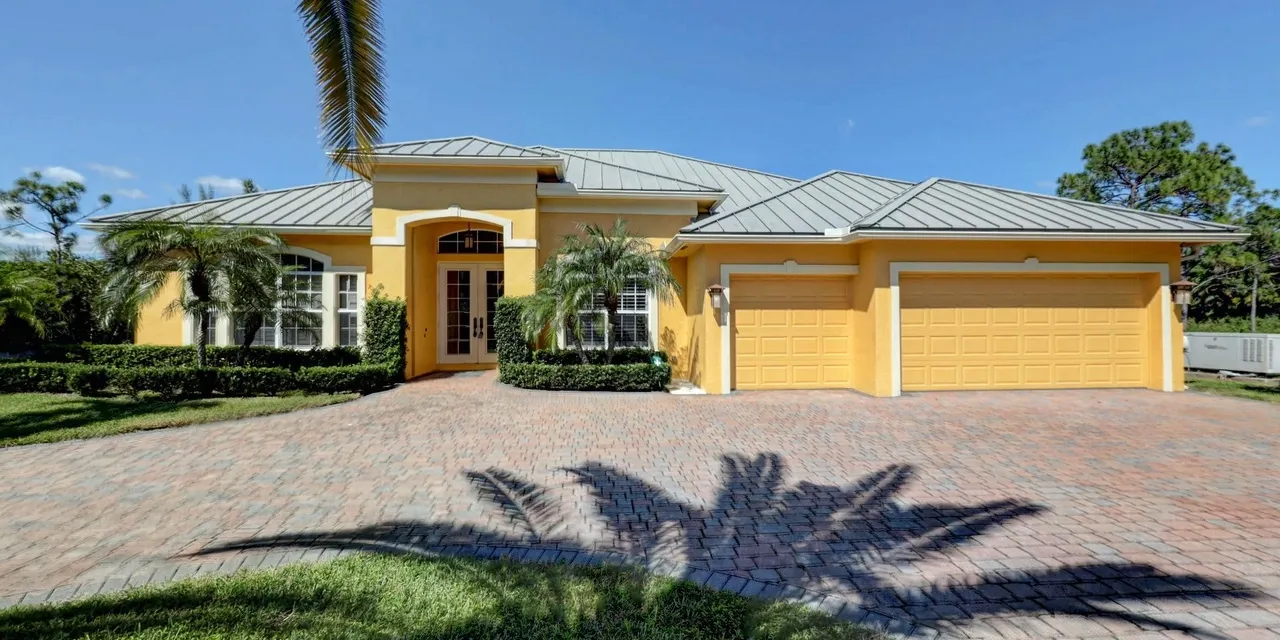
Amazing Grace Assisted Living has six licensed residential homes in West Palm Beach, Lake Clarke Shores, Palm Beach Gardens and Wellington, each caring for no more than six residents. The homes care for residents with early, middle and advanced Alzheimer's disease and other dementias, and every home meets Florida's requirements for facilities that advertise Alzheimer's care.
Rates start at $7,000 a month for a shared room, all-inclusive. There is no point system and no separate charge for medication management or for help with daily care. Care is overseen by the owner, Debbie Lytle, a registered nurse with more than 30 years of experience in Palm Beach County, and each home keeps a 1:3 caregiver-to-resident ratio during the day.
To find out what care would cost for your loved one, request a private tour or call Debbie at (561) 818-5790.
Questions to ask about memory care pricing
- What is the monthly rate for a shared room and for a private room?
- What is included, and what costs extra?
- Do you use levels of care or a point system? How are they assessed?
- Is there a community or move-in fee?
- How much have your rates increased in each of the last three years?
- What happens to the price if my loved one's needs increase?
- Do you accept long-term care insurance? Do you participate in Florida Medicaid?
- How many caregivers are on duty during the day, in the evening and overnight?
For a full list of questions to bring on a tour, see our checklist for choosing assisted living in Palm Beach County.
Frequently asked questions
Is memory care more expensive than assisted living?
Usually, yes. Memory care commonly costs about 20 to 30 percent more than standard assisted living because it requires more staff, dementia training and a secured setting.
Does Medicare pay for memory care?
No. Medicare does not cover long-term custodial care such as memory care in an assisted living facility. It may cover some medical services, such as doctor visits, hospital stays and hospice.
Does Florida Medicaid pay for memory care?
Florida's Medicaid long-term care program can pay for services at participating assisted living facilities for people who qualify medically and financially. Amazing Grace is not a Medicaid provider.
When is it time for memory care?
Common signs include wandering or getting lost, missed or doubled medications, unsafe cooking or driving, weight loss, falls, and a caregiver who is exhausted. If you are unsure, a conversation with your loved one's doctor and a tour of two or three homes can help.