When a parent or spouse can no longer live safely at home, families in Florida usually hear three terms: assisted living, memory care and nursing home. They sound similar, but they are licensed differently, they offer different levels of care, and they are paid for in different ways. This guide explains each one in plain language, what each costs in Florida, and how to tell which one fits your loved one today.
The short answer
- Assisted living is a home-like residence that provides housing, meals and help with daily activities such as bathing, dressing and medications. It is for people who need daily help but not round-the-clock nursing.
- Memory care is assisted living set up for people with Alzheimer's disease or another dementia. In Florida it is provided by licensed assisted living facilities. It is not a separate type of license.
- A nursing home provides 24-hour nursing care for people with serious medical needs, and short-term rehab after a hospital stay.
Assisted living in Florida
Florida assisted living facilities are licensed by the Agency for Health Care Administration (AHCA) under chapter 429, Florida Statutes. An assisted living facility provides housing, meals and personal care, which includes help with bathing, dressing, eating, grooming, toileting and taking medications. Staff are available around the clock, and residents get supervision and social activities.
Assisted living facilities in Florida come in many sizes, from small residential homes in neighborhoods to large communities with hundreds of apartments. Both are licensed the same way.
What assisted living is not: under section 429.26, Florida Statutes, an assisted living facility generally may not admit or keep a resident who is bedridden or who needs 24-hour nursing supervision. The main exception is a resident receiving care from a licensed hospice, when the facility, the resident and the resident's physician agree the facility can meet the resident's needs (Florida Statutes 429.26).
Before move-in: every new resident needs a medical examination by a physician, physician assistant or advanced practice registered nurse within 60 days before admission or 30 days after. Many families use AHCA Form 1823 for this.
Memory care in Florida
"Memory care" describes assisted living designed for people with dementia. Florida does not issue a separate memory care license. Instead, a licensed assisted living facility that advertises special care for people with Alzheimer's disease or related disorders must meet extra requirements for staff training and care under section 429.178, Florida Statutes.
Good dementia care usually includes:
- A secure setting for people who wander or try to leave
- Caregivers trained to respond to confusion, anxiety, sundowning and changes in behavior
- Predictable daily routines and activities matched to each person's abilities
- Close attention to eating, drinking, sleep, falls and medications
- Regular updates to the family as needs change
Because the term is not a license type, two places that both say "memory care" can be very different. Ask how many caregivers are on duty during the day and overnight, what dementia training they have, and who oversees each resident's care plan.
Nursing homes in Florida
Nursing homes are licensed by AHCA under part II of chapter 400, Florida Statutes. They provide 24-hour nursing care and are designed for people who need ongoing medical care, such as complex wound care, frequent skilled nursing, help with most or all daily activities, or care after a serious illness. Many nursing homes also offer short-term rehabilitation after a hospital stay.
Nursing homes are medical settings. Rooms are often shared, and the setting is usually larger and more clinical than assisted living. For someone with heavy medical needs, that level of care is the right fit.
How they compare at a glance
Level of care
- Assisted living: daily help with personal care and medications, with staff available 24 hours
- Memory care: the same, plus a secure setting and dementia-trained caregivers
- Nursing home: 24-hour nursing care and skilled medical services
Setting
- Assisted living and memory care: residential, from small homes to large communities
- Nursing home: a licensed health care facility
Typical Florida cost (2025 statewide medians)
- Assisted living: $66,000 a year, or about $5,500 a month (CareScout 2025 Cost of Care)
- Memory care: usually about 20 to 30 percent more than assisted living, because of staffing, training and security (source)
- Nursing home: $124,100 a year for a semi-private room (about $340 a day) and $146,000 a year for a private room (about $400 a day) (CareScout 2025 Cost of Care)
Prices in Palm Beach County often run higher than the statewide figures. For local numbers, see our guides to assisted living costs in West Palm Beach and memory care costs in Palm Beach County.
Who pays for what
- Medicare does not pay for long-term custodial care in assisted living, memory care or a nursing home (Medicare.gov). It can cover a short-term stay in a skilled nursing facility for up to 100 days per benefit period after a qualifying inpatient hospital stay of at least three days in a row, when a doctor orders daily skilled care. In 2026 the patient pays nothing for days 1 to 20 and $217 a day for days 21 to 100 (Medicare.gov). Time under observation or in the emergency room does not count toward the three days.
- Florida Medicaid pays for long-term care through the Statewide Medicaid Managed Care Long-Term Care program for people who qualify medically and financially. The first step is a phone screening with an Aging and Disability Resource Center, which you can reach through the Elder Helpline at 1-800-963-5337. There is a waitlist for many applicants (AHCA). Not every assisted living facility accepts Medicaid.
- Long-term care insurance often covers assisted living, memory care and nursing home care. Check the daily benefit, the waiting period and what the policy requires from the facility.
- VA Aid and Attendance can add a monthly amount to a VA pension for eligible wartime veterans and surviving spouses who need help with daily activities (VA.gov).
- Private pay from savings, income, pensions and the sale of a home is how most families pay for assisted living and memory care.
Which one does your loved one need?
Assisted living may be the right fit if your loved one:
- Needs help with bathing, dressing or medications
- Is lonely, isolated or not eating well at home
- Can no longer manage a house, cooking or driving
- Does not need nursing care around the clock
Care for Alzheimer's or another dementia may be the right fit if your loved one:
- Wanders, gets lost or tries to leave home
- Misses or doubles medications even with reminders
- Has become confused, anxious or agitated, especially in the late afternoon or evening
- Is no longer safe alone while a family caregiver works or sleeps
- Has a family caregiver who is exhausted
A nursing home may be the right fit if your loved one:
- Needs 24-hour nursing supervision or frequent skilled medical care
- Is bedridden or needs total help to move, transfer or sit safely
- Needs short-term rehab after a hospital stay
Needs change over time. Many people move into assisted living, receive dementia care there as their illness progresses, and, with hospice support, stay in the same home until the end of life. Ask any place you consider how it handles changing needs, and when it would ask a resident to move.
How Amazing Grace fits in
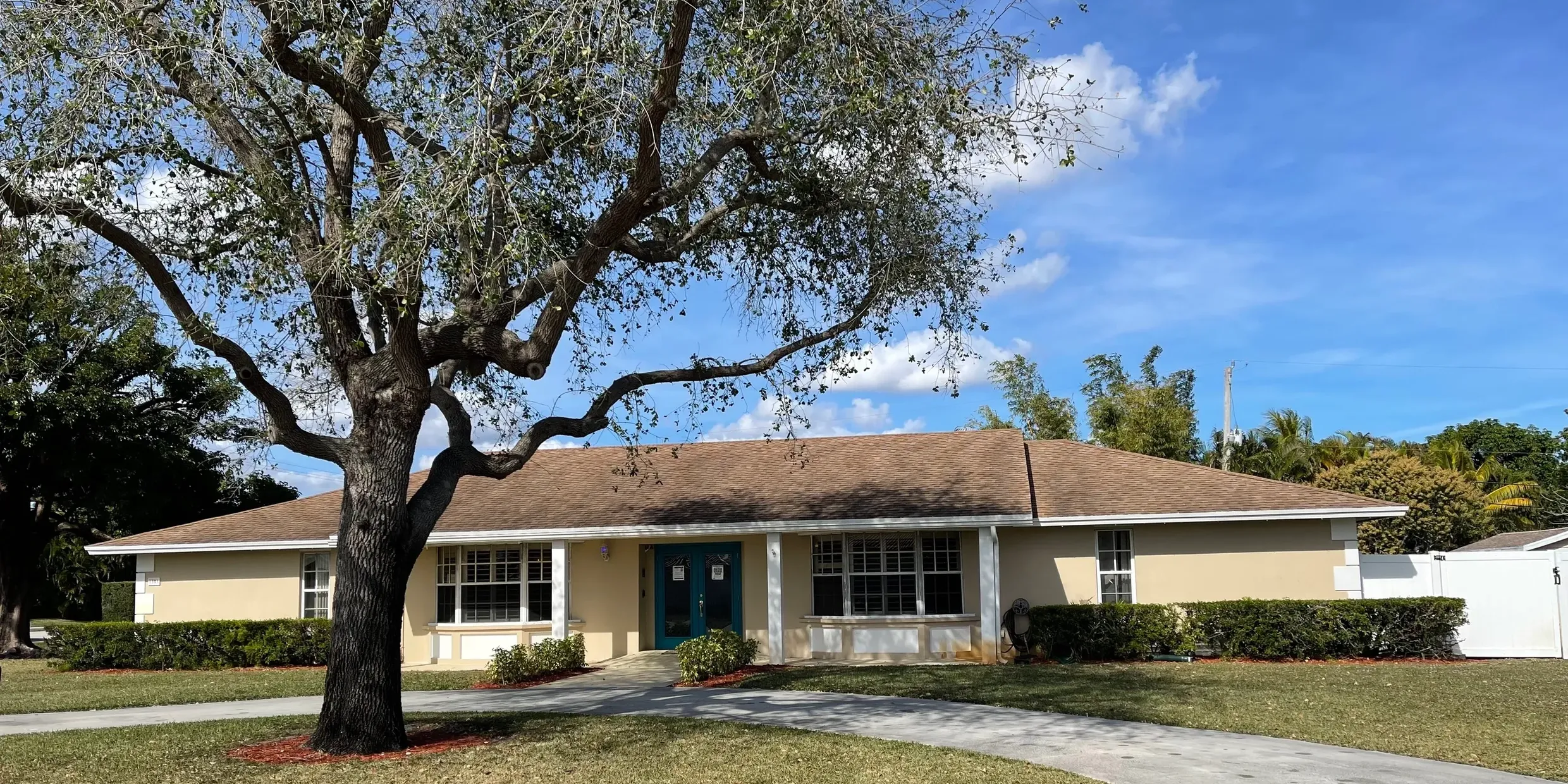
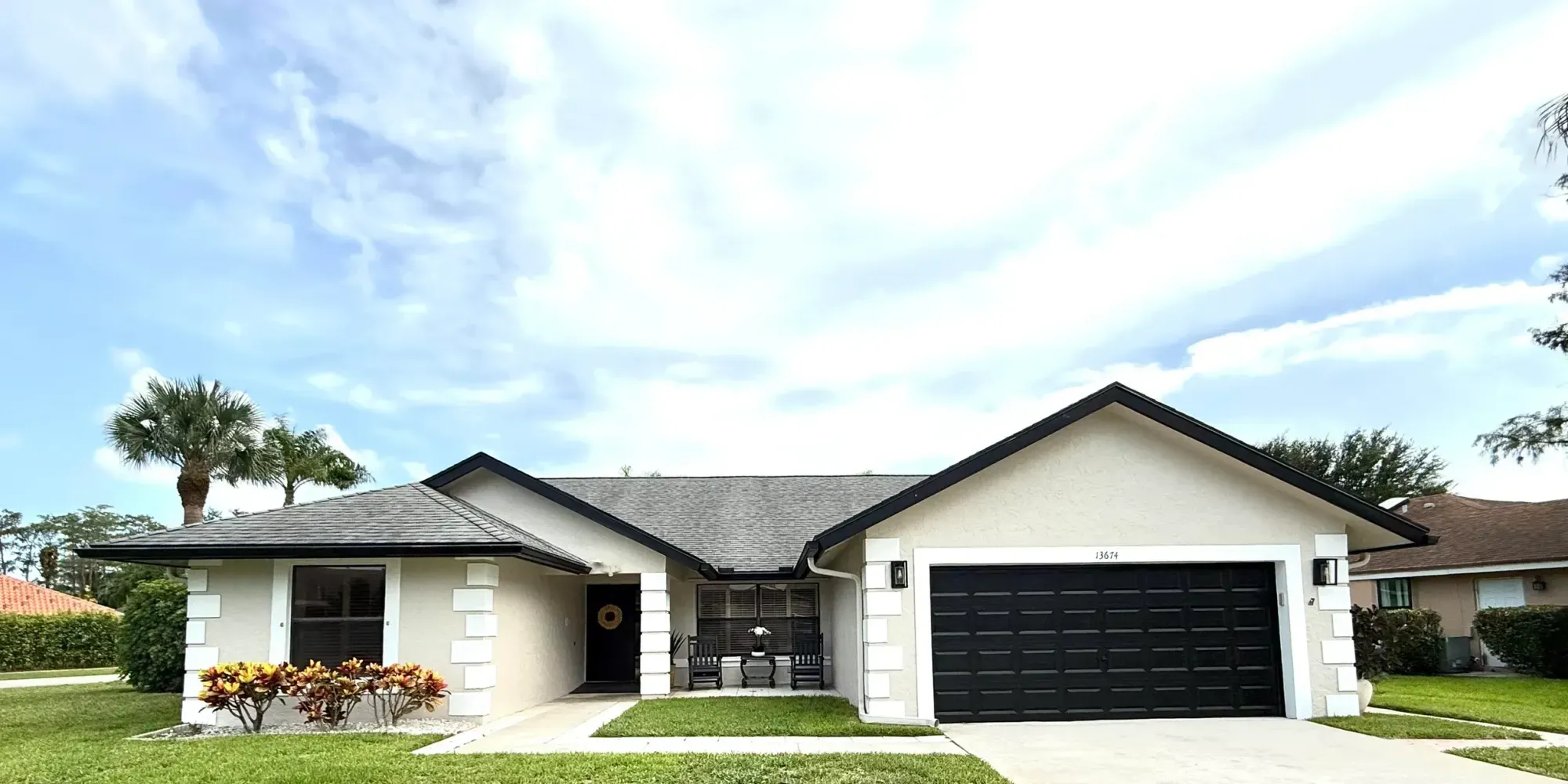
Amazing Grace Assisted Living has six licensed residential assisted living homes in West Palm Beach, Lake Clarke Shores, Palm Beach Gardens and Wellington. The homes care for residents who need daily help, including residents living with early, middle and advanced Alzheimer's disease and other dementias, and they coordinate with hospice so residents can stay in a familiar home.
- A nurse manages the care. Debbie Lytle, RN, the owner, has more than 30 years of nursing experience in Palm Beach County and oversees every resident's care plan and medications.
- 1 caregiver for every 3 residents during the day, with an awake caregiver overnight.
- All-inclusive pricing from $7,000 a month for a shared room, with no point system.
- Private pay and long-term care insurance. Amazing Grace is not a Medicaid provider.
If you are not sure which level of care your loved one needs, call Debbie at (561) 818-5790. She can talk through your situation and help you think about which setting fits. You can also request a private tour, or read why people with Alzheimer's often do better in a small residential home.
Questions to ask on any tour
- What type of license do you have, and what is your AHCA license number?
- What care can you provide, and what needs would require a move?
- How many caregivers are on duty during the day, in the evening and overnight?
- What dementia training do your caregivers have?
- Who writes and updates each resident's care plan?
- What is included in the monthly price, and what costs extra?
- Do you work with hospice so residents can stay?
- Do you accept long-term care insurance or Medicaid?
For a full checklist, see how to choose assisted living in Palm Beach County. You can look up any Florida facility's license and inspection reports at FloridaHealthFinder.gov.
Frequently asked questions
Is memory care the same as assisted living?
In Florida, memory care is provided by licensed assisted living facilities. The difference is the setting and the staff: memory care adds a secure environment and caregivers trained in dementia care. A facility that advertises Alzheimer's care must meet extra requirements under section 429.178, Florida Statutes.
Is a nursing home the same as a skilled nursing facility?
The terms are often used the same way. "Skilled nursing facility" usually refers to Medicare-certified care such as short-term rehab, and "nursing home" usually refers to long-term residential nursing care. Many Florida nursing homes provide both.
Can someone with dementia live in assisted living instead of a nursing home?
Often, yes. Many people with Alzheimer's disease live in assisted living through the middle and later stages of the disease. A nursing home becomes necessary when a person needs 24-hour nursing supervision or is bedridden, unless they are receiving hospice care in the assisted living facility.
Does Medicare pay for assisted living or memory care?
No. Medicare does not pay for room, board or personal care in assisted living or memory care. It may cover medical services such as doctor visits, hospital care and hospice.
What is the cheapest option?
Assisted living is usually less expensive than a nursing home in Florida. Memory care usually costs more than standard assisted living but less than a nursing home. What matters most is the total monthly bill, including any added charges, so ask for pricing in writing.